 View Details

Marketing Products
Product Labels
Starting at
$145
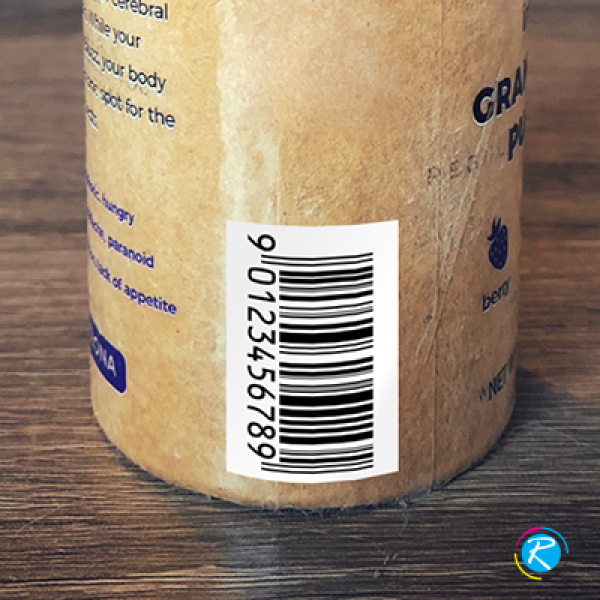
A product label is the primary place customers look for ingredients, usage directions, manufacturer details and any required regulatory information, alongside your branding. Whether it's going on a bottle, jar, tube, box or bag, the label has to survive handling, moisture and sometimes refrigeration without the print smearing or the adhesive lifting. Layout matters as much as material: barcodes need clear quiet zones, ingredient lists need legible type size, and any required disclosures need to stay put even after the design is finalized. Most orders combine full-color printing on a durable stock with a laminate or coating that protects against scuffing in transit and on the shelf.
Guaranteed Features:
Custom size and shape for bottles, jars, boxes or bags
Free lamination for water and scuff resistance
Barcode, ingredient panel and regulatory-text layout support
Free proof before production — flat view, mock-up or hardcopy
- Category
- Marketing Products
- Customization
- Free design & proofing
- Finishing
- Die-cut, glue & score incl.
- Lamination
- Gloss / matte available
Free proof before production — flat view, 3D mock-up or hard copy
Custom size, stock and finish on every order
Dedicated support through production and shipping
Full Description
A product label carries the information a buyer or user needs before they use or trust what's inside: the product name, ingredients or materials, manufacturer, usage or care instructions, and often a barcode for checkout or inventory. For anything edible, cosmetic or otherwise regulated, that label is doing legal work as well as marketing work, which means layout and legibility take priority over decoration.
Construction depends heavily on where the label will end up. Standard paper stock works for dry, shelf-stable goods handled indoors, while vinyl or polypropylene film holds up better against moisture, refrigeration or repeated handling — a label on a shower product or a refrigerated beverage needs an adhesive and film rated for that environment, or it will lift, wrinkle or fade well before the product is used up. A laminate or protective coating over the print adds scuff resistance for anything that travels through a warehouse or gets picked up and set down repeatedly on a shelf.
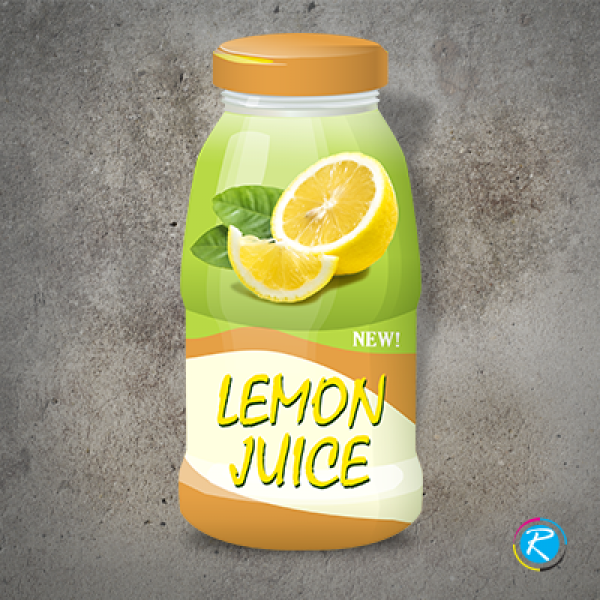
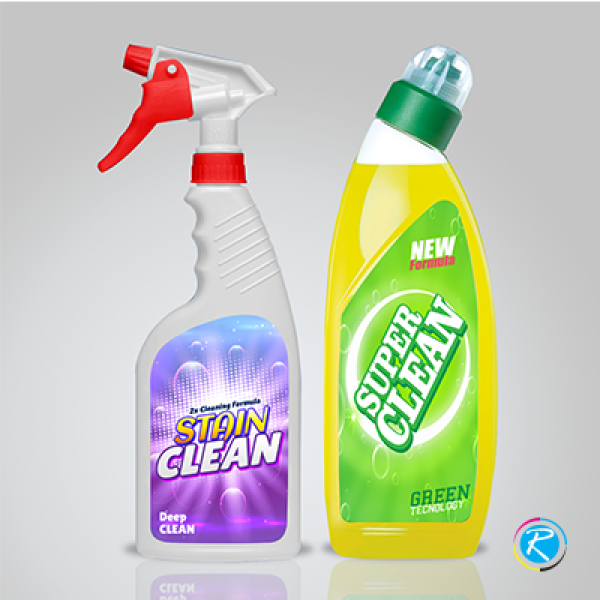
These labels show up across a wide range of categories — food and beverage, cosmetics and personal care, household goods, supplements, and increasingly direct-to-consumer and e-commerce products that need retail-grade packaging without a full production run. In each case the label is doing double duty: informing the buyer and building brand recognition at the same time, which is part of why layout hierarchy (brand first, then key claims, then fine print) tends to matter more here than pure decoration.
Before ordering, it's worth locking down the container size and shape so the label die matches exactly, and confirming any barcode will scan cleanly once printed — dense barcodes shrunk to fit a small label can fail to read at checkout. If the same product will be produced across several batches or flavors, planning the printing run around expected SKU volume avoids reordering small batches at a higher per-unit cost later.
You Might Also Need