 View Details

Marketing Products
Custom Labels
Starting at
$175
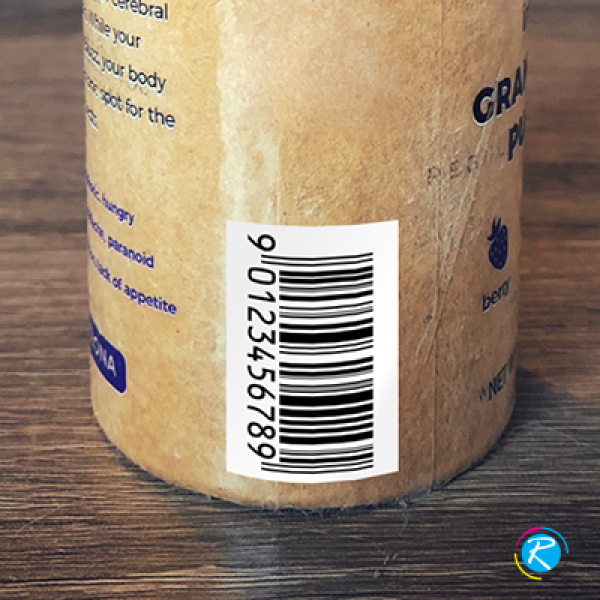
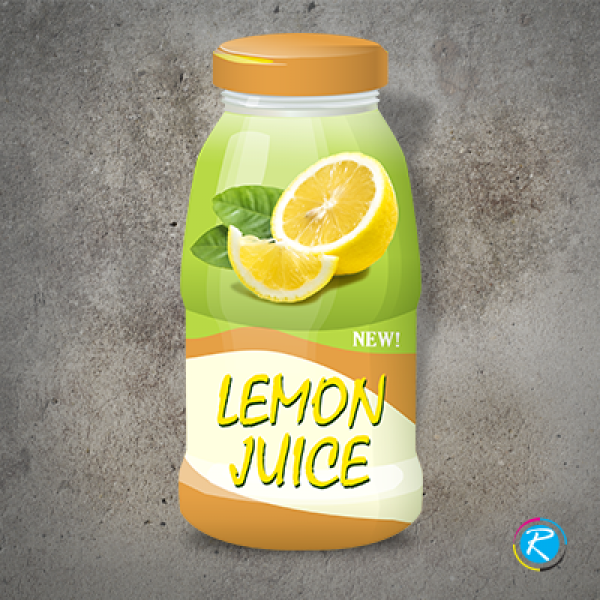
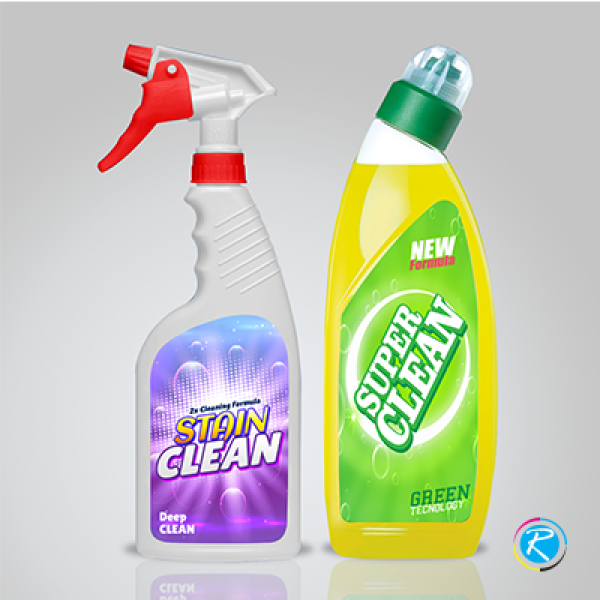
"Custom label" is less a product category than a starting point — it covers any label built around a specific size, shape, material and finish rather than an off-the-shelf format. That's the right approach whenever a product's packaging, branding requirements or application surface don't match a standard label size, whether that means an unusual die-cut shape, a specific material for durability, or particular finishing like foil or embossing.
Guaranteed Features:
Fully Custom Size, Shape and Die Line
Paper, Vinyl or Synthetic Stock Options
Gloss, Matte, Foil or Embossed Finish
Proof Before Production (Digital or Hard Copy)
- Category
- Marketing Products
- Customization
- Free design & proofing
- Finishing
- Die-cut, glue & score incl.
- Lamination
- Gloss / matte available
Free proof before production — flat view, 3D mock-up or hard copy
Custom size, stock and finish on every order
Dedicated support through production and shipping
Full Description
Ordering a custom label usually starts with the surface or product it's going on, since that determines most of the downstream decisions. A product with an unusual shape — a tapered tube, an angled panel, an irregular package — often needs a custom die line rather than a standard rectangle or circle to fit cleanly without wasted space or awkward overhang. Working from an actual template or measurement of the surface, rather than a generic size, avoids the more common mistake of designing a label that looks right on screen but doesn't sit correctly once applied.
Material follows from how the label will be used and what conditions it needs to survive. Paper stock remains the most economical option for indoor products with a limited shelf life or light handling. Vinyl and synthetic films cost more but hold up to moisture, UV exposure and repeated handling far better, which matters for anything sold outdoors, refrigerated, or handled frequently before purchase. For products with specific regulatory requirements — food, beverage, cosmetics, pharmaceuticals — the required information (ingredients, warnings, net weight) needs to be planned into the layout from the start rather than squeezed in afterward.
Finishing is where a custom label often earns its premium feel. Foil stamping adds a metallic accent to a logo or key detail without the cost of foiling the entire label. Embossing or debossing creates a raised or recessed texture that reads as higher-end even before a customer picks up the product. Spot UV coating adds gloss to specific elements against a matte background, drawing the eye to a logo or callout without affecting the whole surface. None of these are necessary for every custom label, but they're worth considering for products competing on shelf presence rather than price alone.
Adhesive and application method round out the decision. A standard permanent adhesive works for most retail products, but specialty adhesives exist for freezer-grade applications, curved or textured surfaces, and removable use cases where the label needs to come off cleanly later. Settling on the full spec — size, material, finish, adhesive — before finalizing artwork keeps the design process from having to circle back once print-ready files are already built around the wrong assumptions.
You Might Also Need