
 View Details

Marketing Products
Address Labels
Starting at
$145
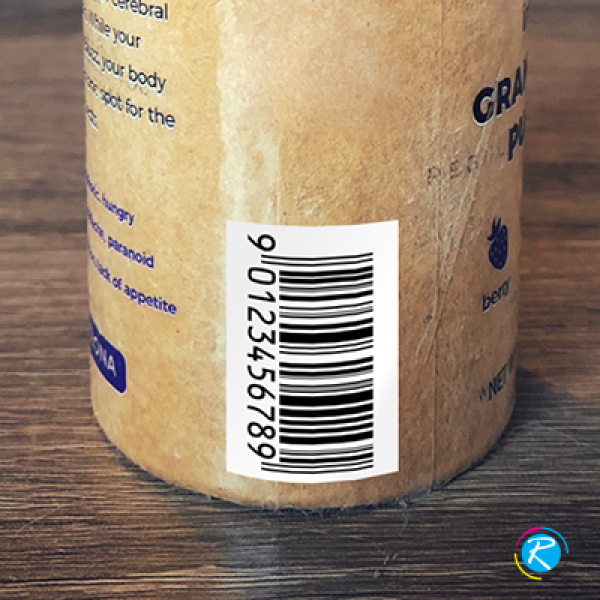
Address labels handle one specific, high-volume job: getting a name and address onto an envelope or package quickly and legibly, without hand-writing each one. They're printed either on sheets sized to standard label layouts, so they align with common label software and printers, or on rolls for dispenser-fed mailing operations. Most include a business logo or return address alongside the mailing details, which doubles as light branding on every piece that goes out.
Guaranteed Features:
Custom Size and Layout, Free Design Proof
Sheet or Roll Format Options
Permanent Adhesive for Mailing & Shipping
Proof Before Production (Digital or Hard Copy)
- Category
- Marketing Products
- Customization
- Free design & proofing
- Finishing
- Die-cut, glue & score incl.
- Lamination
- Gloss / matte available
Free proof before production — flat view, 3D mock-up or hard copy
Custom size, stock and finish on every order
Dedicated support through production and shipping
Full Description
Address labels exist to solve a repetitive, practical problem: printing the same kind of information — name, street address, sometimes a logo — onto hundreds or thousands of individual pieces without hand-addressing each one. They show up most often as return address labels on business correspondence, shipping labels on packages, and mailing labels for bulk mail runs where an existing address list gets merged onto a sheet or roll of blank labels.
Format is the first practical decision. Sheet labels are laid out in a grid sized to fit standard letter-size paper, which matters if the labels will run through an office printer using mail-merge software — common sizes include roughly 1" x 2.625" (30 per sheet) and 1" x 4" (20 per sheet), matching layouts most word processors and label software already support. Roll labels, by contrast, feed through a label dispenser or thermal printer one at a time, which suits higher-volume shipping operations where labels get applied continuously rather than printed in a batch and peeled by hand.
Paper stock is usually sufficient for standard mail — it's inexpensive and takes ink or toner well, and since return and mailing labels rarely need to survive weather or heavy handling, added durability doesn't buy much. Where it does matter is shipping labels that travel through a supply chain: a label headed for a warehouse, a cold-chain shipment, or anything that might get rained on benefits from a synthetic or laminated stock that won't smear or tear in transit.
Design tends to be simple by necessity — a logo, a return address, sometimes a tagline — since the label's job is functional rather than decorative. That said, a consistent design across return address labels does double as a small branding touch on every piece of mail a business sends, which is part of why many companies keep a standard label design on hand rather than reprinting generic blank labels each time. Getting the layout to match a standard sheet size, rather than a custom one, also keeps reordering simple, since standard formats stay compatible with common label templates over time.
You Might Also Need