Walk the floor of any trade show after closing and the trash cans tell the real story of most booth swag: pens with dead ink, tote bags nobody needed a second one of, stress balls that made it exactly to the hotel room bin. Stickers are the rare exception. They're small enough to pocket without a second thought, and unlike almost everything else on the giveaway table, a genuinely good one ends up somewhere visible — a laptop lid, a water bottle, a notebook cover — instead of a drawer. That's not an accident of the format. It's a design and logistics problem worth taking seriously if you're the one filling the bowl.
The Cost-Per-Impression Math Nobody Runs at the Booth
Run the numbers on typical booth swag and stickers win by a wide margin. A branded pen costs somewhere around $0.40–$0.80 a unit and gets one use — writing a note — before it's lost, discarded, or forgotten in a bag. A tote bag runs $2–$4 and, unless it's genuinely useful, gets one wear before it's repurposed for something unrelated to your brand. A sticker costs a fraction of either, often $0.10–$0.30 a unit at event quantities, and if it's good enough to make it onto a laptop, it delivers an impression every single time that laptop is opened in a coffee shop, a co-working space, or another conference — for months, sometimes years, to an audience well beyond the person who originally took it.
That's the real value of a sticker as swag: it isn't a one-time impression at the booth, it's a small, ongoing billboard that someone else chose to carry around because they wanted to, not because they were contractually obligated to wear a lanyard. No other item at a typical giveaway table works quite that way.
Designing a Sticker People Actually Want to Keep

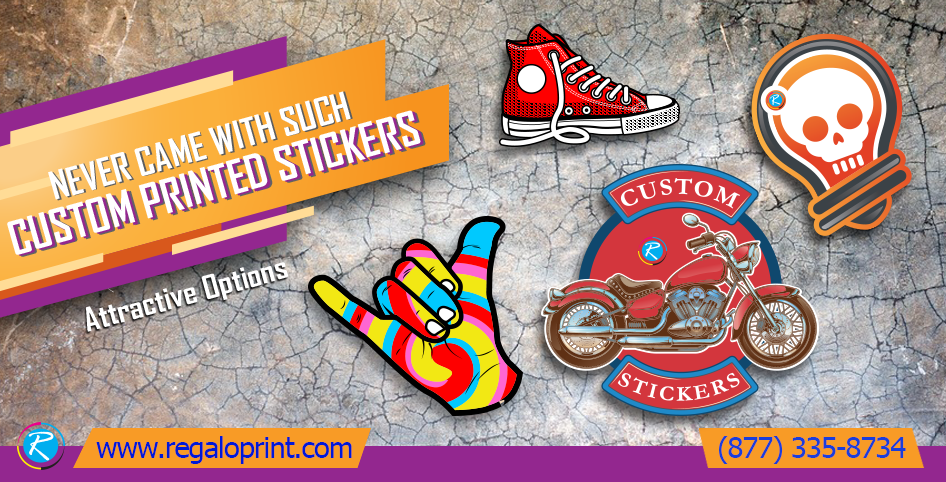
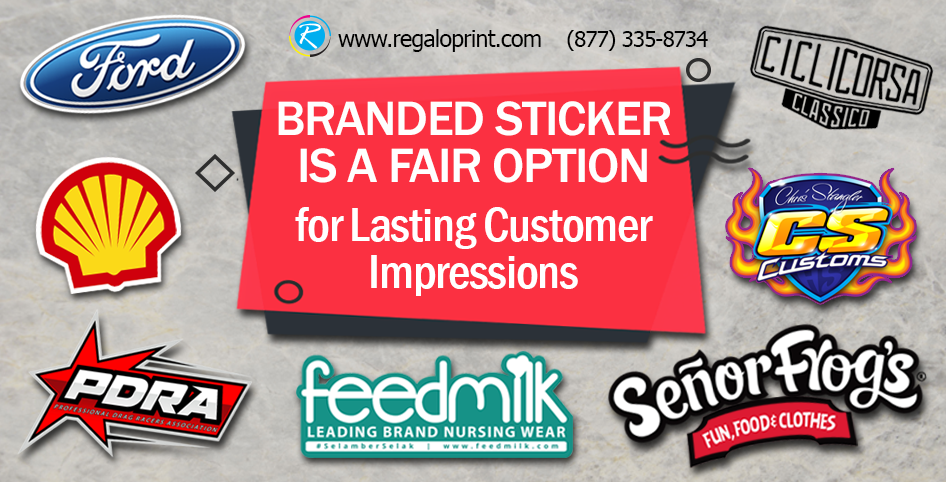
The gap between a sticker that gets kept and one that gets tossed almost never comes down to print quality — it comes down to whether the design works as something someone would want to display, independent of your logo being on it. A wordmark centered on a plain rectangle reads as an ad, and people generally don't display ads voluntarily. A character, an icon, a piece of illustration, a clever line that's funny or specific rather than generic — those read as something worth having on their own merits, with the brand riding along rather than leading.
Producing a small set of designs rather than a single one raises the keep rate further. A "collect the set" instinct is real: attendees who see a booth offering three or four distinct sticker designs are more likely to stop, and more likely to grab one of each, which multiplies both booth engagement and the number of impressions those stickers generate once they leave. Die-cut to the shape of the artwork rather than boxed onto a square background reinforces the same effect — a shaped sticker reads as a designed object, not a printed label, and that distinction is exactly what makes someone choose to keep it. Our custom stickers and folder stickers both work well as a multi-design giveaway set.
Sheets, Loose Stickers or Sealed Packs: Choosing the Distribution Format
How stickers are physically handed out changes how they're received as much as the design does. Loose die-cut stickers piled in an open bowl are the lowest-friction option — anyone walking past can grab one without breaking stride, which maximizes raw distribution but also means a share of them get taken absentmindedly and forgotten. Kiss-cut sheets, where several designs share one backing sheet, work well when the goal is showing off a full pack at once rather than a single grab — a visitor sees the whole set in one glance and is more likely to stop and look before deciding to take it, which trades a little speed for a better first impression.
A small sealed pack of three or four stickers is the highest-friction, highest-value format: it takes a conversation to hand over rather than a passive table, which makes it a better fit for qualified leads a booth staffer actually talks to than for anonymous foot traffic. It also reads as a considered gift rather than table clutter, which matters if the goal is a lasting impression with a smaller number of the right people rather than the widest possible reach.
Booth Logistics: Ordering Enough Without Overordering
Sticker overproduction is a quieter waste than most swag mistakes, because leftover stickers don't take up storage the way leftover totes or unsold merchandise do — but they still tie up budget that could go toward a better design or a bigger run of something else. A rough planning rule: expect to distribute stickers to somewhere between a third and half of total event foot traffic if they're sitting out in an open bowl for anyone to grab, and closer to 100% of qualified conversations if they're handed out one-on-one as a conversation starter or thank-you. A three-day show with a few hundred visitors passing the booth each day is a very different order than a single-evening local meetup, and sizing the run to the actual traffic pattern — rather than a round number that feels safe — is what keeps a few thousand stickers from going home in a box.
Lead time matters more for events than for standing inventory, since a booth date doesn't move the way a warehouse restock can. Ordering with at least two to three weeks of buffer before the event avoids the rush-production premium that comes with compressed turnaround, and it leaves room to catch a proofing issue before a few thousand stickers are already cut. If a design is going to run across multiple events through the year, ordering the full annual quantity in one pass — rather than reordering before each show — brings the per-unit cost down meaningfully, for the same reason any bulk print run does.
On the floor itself, sorting stock by design into separate, labeled bags before the show saves real time during a busy stretch — a staffer restocking a bowl mid-conversation doesn't want to be digging through a mixed box to find the design that's running low. If multiple designs are in rotation, tracking roughly how fast each one depletes over the first few hours of day one gives a useful read on which design is resonating, and which one to lean on if a reorder becomes necessary before the show ends.
Where They Go After the Show
The stickers that earn their keep are the ones that leave the venue and keep working. A laptop lid at another conference, a water bottle at the gym, a notebook cover in a client meeting — every one of those is an impression your booth budget already paid for, delivered somewhere you'd never have bought ad space. That secondary life is also, informally, one of the best signals a team has for whether the design actually landed: a sticker that shows up again on someone's badge lanyard or laptop at next year's show is a design that worked, in a way no booth traffic count alone can tell you.
That's the case for treating event stickers as a real design project rather than an afterthought filled with whatever logo file is already on hand: the return on a sticker that people actually want to carry around is unlike almost anything else on the swag table, and unlike most of what fills that table, it keeps paying off long after the booth has been packed up and shipped home.