 View Details

Marketing Products
Custom Stickers
Starting at
$170
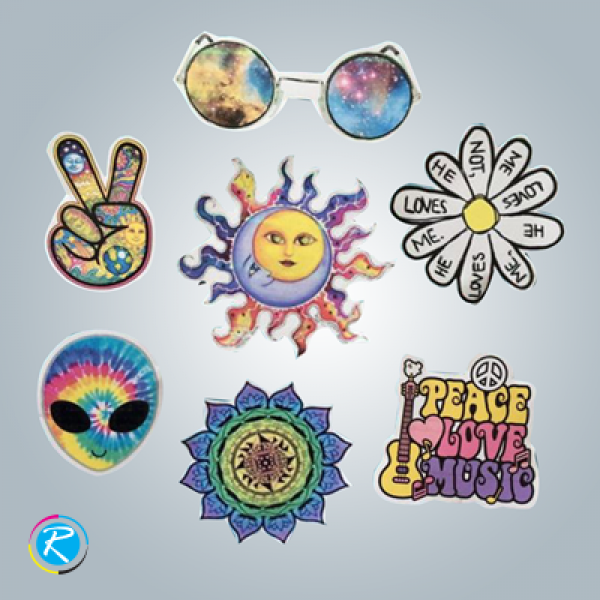
Custom stickers cover the general-purpose end of the category — any shape, size, material, and finish, built around a specific logo or design rather than a predefined format like a bumper strip or a window decal. Most orders start with the artwork and work backward to the right stock (vinyl for durability, paper for cost), the right cut (rectangle, custom contour, or kiss-cut sheets), and the right finish for how the sticker will be used. It's the default choice for branding merchandise, packaging accents, and giveaways that don't fit neatly into a more specialized sticker format.
- Category
- Marketing Products
- Customization
- Free design & proofing
- Finishing
- Die-cut, glue & score incl.
- Lamination
- Gloss / matte available
Free proof before production — flat view, 3D mock-up or hard copy
Custom size, stock and finish on every order
Dedicated support through production and shipping
Full Description
Custom stickers is the broad, general-purpose category that most sticker orders fall into by default — as opposed to a more specific format like a bumper sticker, a window decal, or a hard hat sticker, a custom sticker is simply whatever shape, size, and material a particular logo or design calls for. That flexibility is the whole point: rather than fitting a design into a predefined format, the format gets built around the design.
The two biggest decisions on a custom order are material and cut style. Vinyl is the standard choice when durability matters — it holds up to handling, moisture, and some UV exposure, and it's the material used for most product packaging, laptop, and outdoor stickers. Paper stock is a reasonable choice when the sticker is indoor-only, short-lived, or cost is the main driver, since it's less expensive but won't hold up outdoors or through repeated handling. Cut style ranges from a simple rectangle (fastest and cheapest) to a fully custom contour cut that follows a logo's outline with no visible background — the latter reads as more polished but costs a bit more in die-cutting.
Custom stickers show up in an enormous range of contexts because the format is so flexible: small businesses use them as packaging seals and branding merchandise, bands and artists sell them at shows and online as a low-cost product, event organizers hand them out as swag, and companies use them internally for equipment labeling or safety notices. Sheets of multiple small stickers (kiss-cut, so each sticker peels individually off a single backing sheet) are a popular format for anything meant to be handed out as a set rather than applied individually.
When placing a custom order, three specs drive most of the decision-making: size and shape (based on where the sticker will actually be used), material (vinyl for durability, paper for cost and indoor use), and finish (glossy for vibrant color and a premium look, matte for a more subdued and fingerprint-resistant surface). Quantity also matters more than people expect — because most of the cost in sticker printing is in setup rather than materials, doubling or tripling an order often adds a much smaller percentage to the total price than doubling the design complexity would. For anyone ordering for the first time, starting with a rough idea of where the sticker will be applied and roughly how many are needed makes it easy to land on the right combination of material, size, and finish.
You Might Also Need