 View Details

Invitations & Stationery
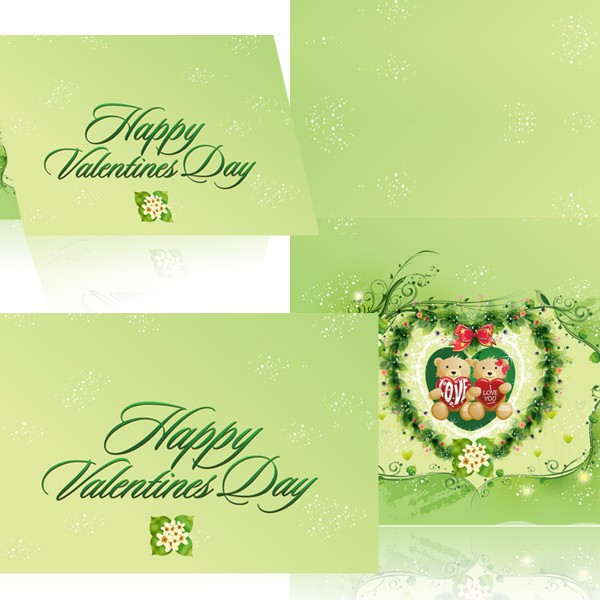
Folded Greeting Cards
Starting at
$170
Folded greeting cards open on a clean center crease, giving you a full interior panel for a handwritten note or a printed message alongside the front design. The classic format for birthdays, holidays, thank-yous and sympathy cards — sturdy enough to stand up on a shelf or mantel once opened. Choose your cardstock weight and finish, front-only or full four-panel printing, and we'll include matching envelopes.
- Category
- Invitations & Stationery
- Customization
- Free design & proofing
- Finishing
- Die-cut, glue & score incl.
- Lamination
- Gloss / matte available
Free proof before production — flat view, 3D mock-up or hard copy
Custom size, stock and finish on every order
Dedicated support through production and shipping
Full Description
A folded greeting card is the format most people picture when they think "greeting card" — a single sheet scored down the middle and folded once, opening left to right like a small book. That fold does two things at once: it turns a flat sheet into a self-contained card that stands up slightly on its own, and it creates an interior panel separate from the cover, giving room for a printed message, a blank space for a handwritten note, or both. The classic four-panel layout — front, inside-left, inside-right, and back — is what makes this the default format for birthdays, holidays, thank-you notes, sympathy cards and any occasion built around a personal message.
Cardstock weight is worth getting right since it affects how the card feels and how well it holds its fold. A 14 pt to 16 pt stock is a common range — sturdy enough to stand upright when propped open on a shelf or mantel, without being so stiff that the fold resists closing flat. Heavier stock in the 18 pt to 24 pt range gives a more substantial, premium feel, often chosen for corporate holiday cards or higher-end occasions where the card itself is meant to make an impression before it's even opened. Scoring before folding is what keeps the crease clean rather than cracked, particularly on darker inks or coated stock where a rough fold shows as a visible white line along the spine.
Printing can be as simple as a full-color front with a blank interior for handwriting, or as involved as a fully printed four-panel design with artwork, a printed greeting, and space reserved for a signature. Coated stock in a gloss or matte laminate adds durability and a polished look to the front cover, while an uncoated interior is worth keeping if the card is meant to be written in — coated stock can resist pen ink or cause it to smear before it dries. Matching envelopes are typically ordered alongside the cards themselves, sized to the folded dimensions with enough clearance that the card slides in and out without catching.
Ordering considerations mostly come down to volume and use case. A single design ordered in bulk works well for a company-wide holiday mailing or a fundraiser thank-you campaign, where consistency matters more than variety. A smaller run with several different designs suits a retailer or boutique stocking a card display, where variety drives repeat browsing. Either way, it's worth deciding upfront how much of the interior will carry printed content versus blank space, since that affects both the layout and how personal each card will feel once it reaches the recipient.
You Might Also Need