 View Details

Invitations & Stationery
Die-cut Greeting Cards
Starting at
$180
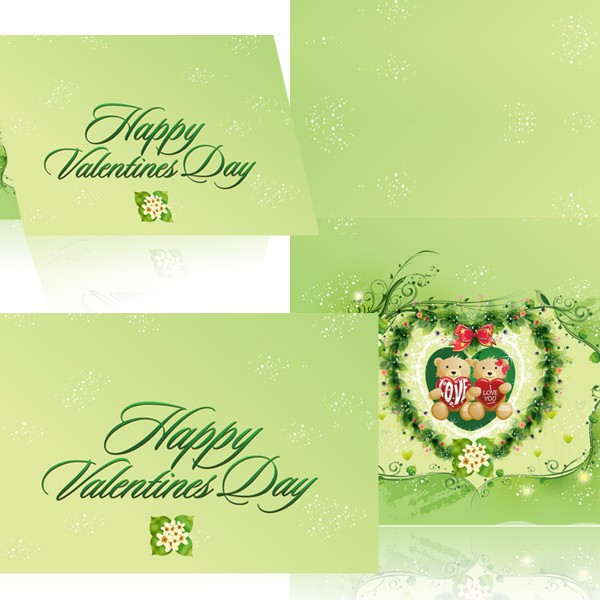
Die-cut greeting cards break away from the standard rectangle, cut into a custom silhouette — a tree for a holiday card, a heart for an anniversary, a logo shape for a branded corporate greeting. The outline becomes part of the design instead of a frame around it, which makes the card stand out the moment it's pulled from an envelope. Available folded or flat, in any cardstock weight, with the die shape built to your artwork.
- Category
- Invitations & Stationery
- Customization
- Free design & proofing
- Finishing
- Die-cut, glue & score incl.
- Lamination
- Gloss / matte available
Free proof before production — flat view, 3D mock-up or hard copy
Custom size, stock and finish on every order
Dedicated support through production and shipping
Full Description
A standard greeting card is a rectangle, folded once, with the design living entirely inside that fixed frame. A die-cut greeting card removes that constraint by cutting the card into a custom silhouette — a shape that echoes the occasion, the sender's brand, or the artwork itself, rather than boxing it inside four straight edges. The die, a steel cutting form built to the exact outline of the design, is what makes this possible: instead of trimming a rectangle, the card is punched into whatever shape the artwork calls for, whether that's a simple rounded profile or an intricate silhouette with several internal cuts.
Shape choice tends to follow the occasion. Seasonal cards lean toward recognizable silhouettes — a tree or ornament for a holiday greeting, a leaf for autumn, a heart for a wedding or anniversary card. Corporate greeting cards often use a die cut built around a logo mark, turning the card itself into a small piece of branded merchandise rather than a printed rectangle with a logo placed inside it. More abstract or geometric die cuts work well for design-forward invitations or announcements where the shape is meant to feel modern rather than literal. In every case, the die shape should be simple enough to hold up structurally — very thin protrusions or sharp interior angles can weaken the card or make it prone to bending at the tip during shipping and handling.
Stock choice matters more on a die-cut card than a standard one, because the cut edges are exposed rather than tucked inside a fold. A cardstock in the 14 pt to 18 pt range holds a clean cut without the edges feeling flimsy, and a smooth or lightly textured finish shows the precision of the die line more clearly than a heavily textured stock would. Folded die-cut cards — where the shape carries through both the front panel and the interior message — need the die line to align precisely across the fold, which is one of the details worth double-checking on a physical proof before a full run goes to print.
Because the die itself is a one-time tooling cost built specifically for the chosen shape, die-cut cards work best for a design that's being reused across a season or an ongoing campaign rather than a single one-off card. Once the die exists, reordering the same shape in a new color palette or message is straightforward and doesn't require rebuilding the cutting form. For a design that's likely to change every time, a simpler folded or standard rectangular card remains the more cost-efficient choice.
You Might Also Need