 View Details
Signs & Banners
Car Decals
Starting at
$160
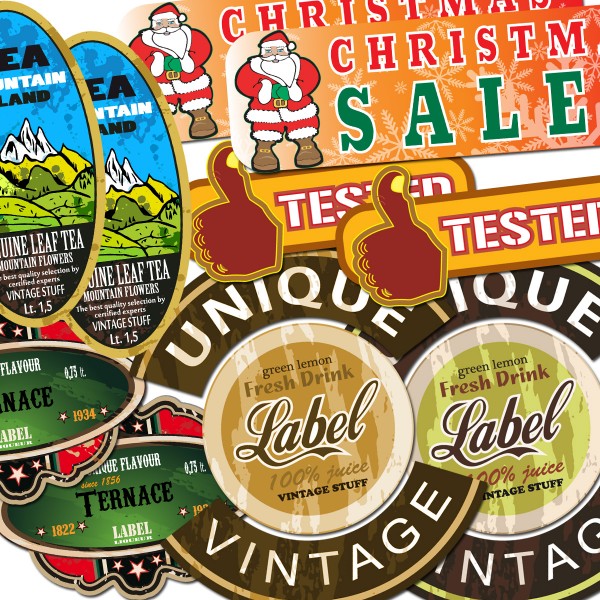
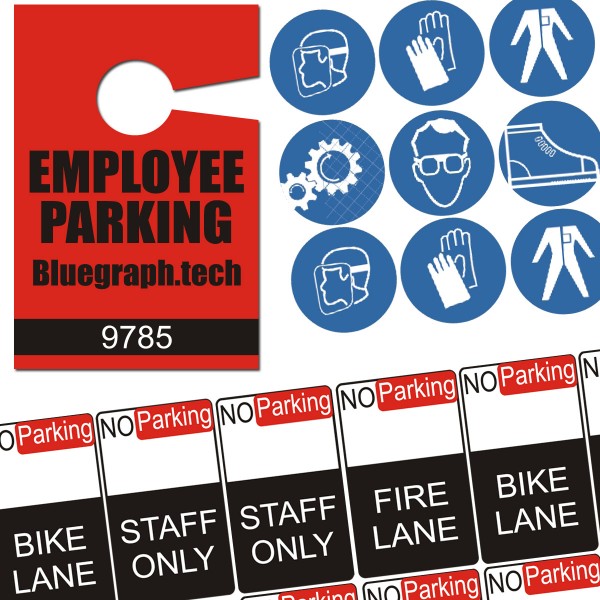
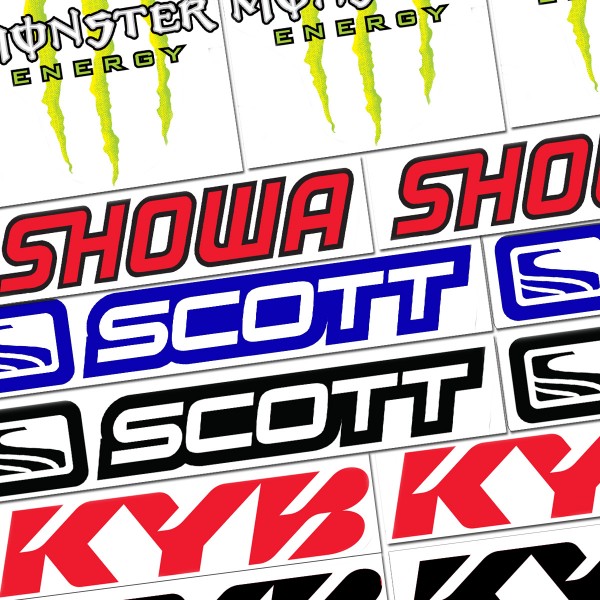
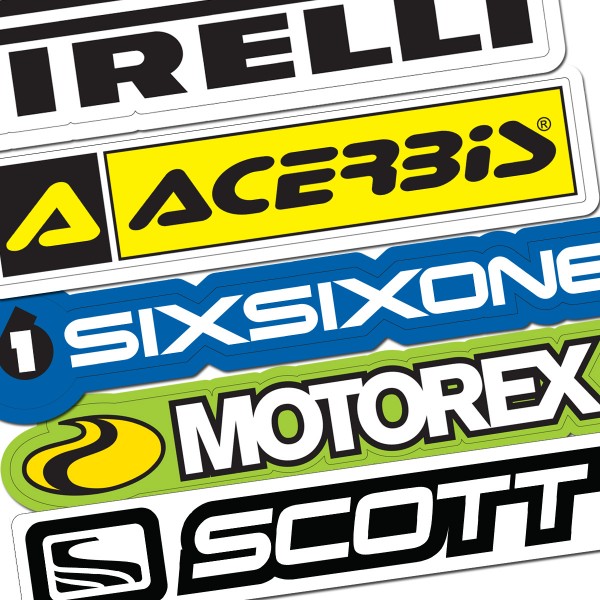
Car decals are cut vinyl graphics built for painted body panels, bumpers, tailgates and rear windows — designed to hold through car washes, highway wind and full sun without lifting or fading at the edges. They work as single-color cut lettering for a business name and phone number, or as a full-color printed graphic for a logo, mascot or accent stripe. Because each one is cut to the outline of the artwork itself, there's no visible background square or rectangle left on the paint.
- Category
- Signs & Banners
- Customization
- Free design & proofing
- Finishing
- Die-cut, glue & score incl.
- Lamination
- Gloss / matte available
Free proof before production — flat view, 3D mock-up or hard copy
Custom size, stock and finish on every order
Dedicated support through production and shipping
Full Description
A car decal is a shape or graphic cut from adhesive vinyl and applied directly to a vehicle's paint, glass or trim — different from a magnet, which sits on top of a panel, or a full wrap, which covers it entirely. Most decals are made from one of two vinyl types. Calendered vinyl is thinner and less expensive, a reasonable fit for a decal that only needs to last a season or two on a flat panel. Cast vinyl is thicker, more flexible and holds its color longer under direct sun, which is why it's the standard choice for anything that needs to wrap around a curved fender or door edge, or that's expected to stay put for several years.
Businesses use car decals for the same reason they always have: a vehicle parked at a job site or moving through traffic puts a logo and phone number in front of far more people than a static sign does. A single-color cut decal — a shape or block of lettering cut straight from colored vinyl sheet, with no printing involved — covers a company name and contact line at low cost and resists fading well, since there's no printed ink to break down. A full-color printed-and-cut decal handles a logo with multiple colors or a photo-based graphic, and works just as well for personal use: family stickers, sports team marks, hobby graphics or a simple accent stripe along a rocker panel.
Placement affects both how a decal reads and how long it lasts. A rear window or tailgate gets seen in traffic and takes less direct sun than a hood or roof, which sees the most UV and heat over the course of a year. Door panels are the standard spot for a business name since they're visible from the sidewalk whenever the vehicle is parked. Bumpers flex more than body panels and take more road spray, so a decal placed there holds up better with a laminate layer protecting the cut edges from lifting.
Before ordering, it helps to settle on placement and finished size together — a decal sized to read well on a door won't scale the same way onto a rear window, and vice versa. The painted surface needs to be clean, dry and free of wax residue for the adhesive to bond properly, and anything going onto a curved panel benefits from cast vinyl's flexibility over the stiffer calendered option. For a fleet with more than one vehicle, keeping placement and size consistent across the group is what makes the branding read as a set instead of a collection of one-offs.
You Might Also Need