 View Details
Invitations & Stationery
DL Envelopes
Starting at
$190
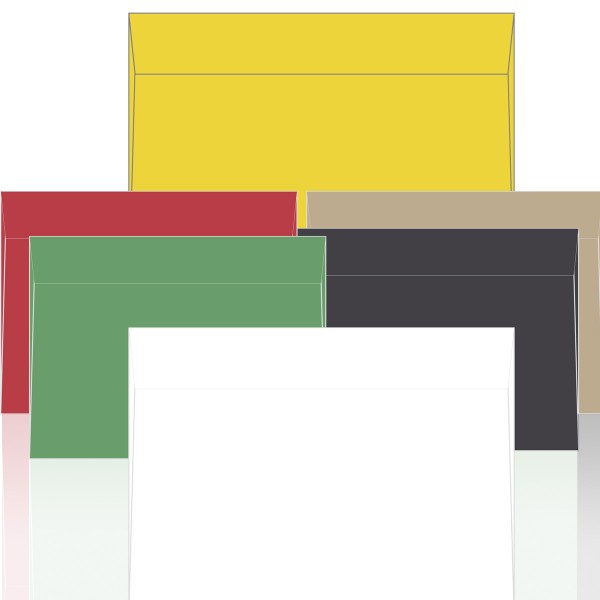
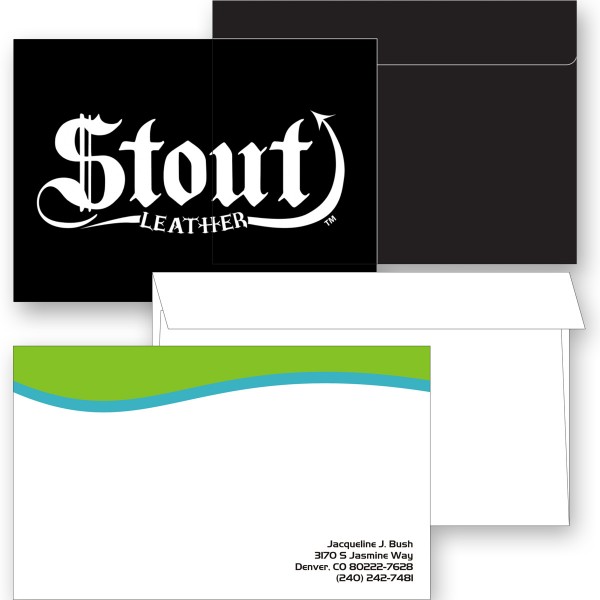
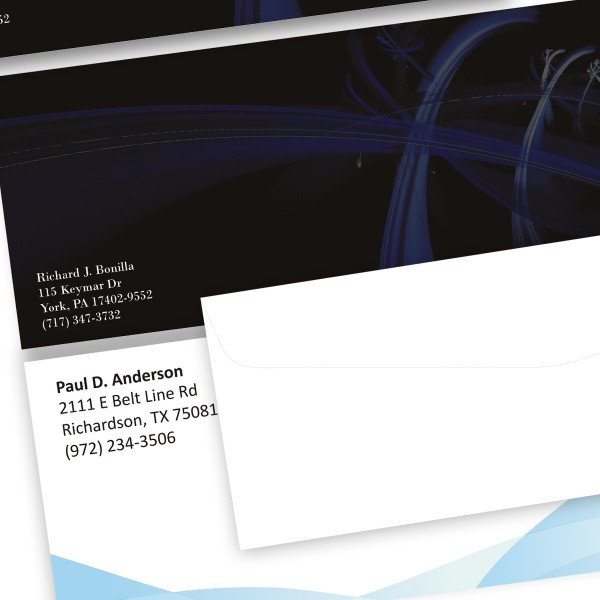
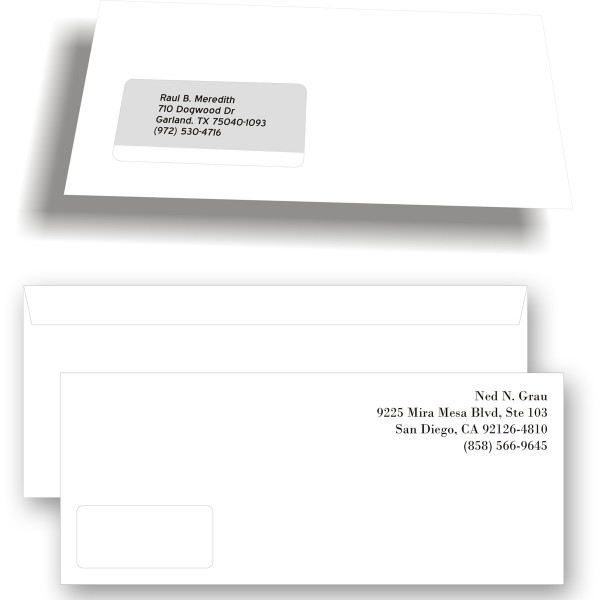
DL is the long, narrow envelope size built for a standard letter or A4 sheet folded twice into thirds — the size most offices reach for by default for invoices, statements and general correspondence. Available with a gummed or self-seal flap, and with or without a window for address visibility through the envelope. Order plain for everyday mailing or full-color printed for a branded touch on outgoing mail.
- Category
- Invitations & Stationery
- Customization
- Free design & proofing
- Finishing
- Die-cut, glue & score incl.
- Lamination
- Gloss / matte available
Free proof before production — flat view, 3D mock-up or hard copy
Custom size, stock and finish on every order
Dedicated support through production and shipping
Full Description
DL is a European paper-trade size — the name comes from "Dimension Lengthwise" — that measures roughly 4.33 by 8.66 inches, sized so a standard A4 or US letter sheet folded into thirds slides in without extra trimming. It's become the default envelope for general business correspondence: invoices, statements, letters, and any mailing built around a full sheet of paper rather than a card or flyer. Where a #10 envelope is the closest US equivalent, DL runs slightly narrower and is common on sites and print runs that follow international sizing conventions.
Construction options follow the same choices as any business envelope. Paper weight typically sits in the 24 lb to 28 lb bond range for everyday mail — light enough to keep postage costs down across a large mailing, sturdy enough to hold its shape through handling and sorting. A window cut-out, positioned to line up with the address block on a folded letter or invoice, saves the step of printing or hand-addressing each envelope separately and is standard on most billing and statement mail. Closure is usually a gummed flap for cost efficiency on high-volume runs or a self-seal strip when speed of use matters more, such as an office that seals hundreds of envelopes a day by hand.
Printing options range from a plain stock envelope with just a return address to a full exterior design that carries branding, a tagline or a promotional message out to the mailbox. A tinted or patterned interior lining is a common upgrade for anything that shouldn't be readable through the paper — financial statements, contracts, anything with sensitive information — and adds a small but noticeable touch of quality to client-facing mail. For marketing use, a printed exterior with a strong color block or logo placement can meaningfully improve open rates simply by standing out in a stack of plain white mail.
When ordering, confirm whether the envelope needs a window and, if so, the exact position relative to how the enclosed sheet will be folded — a mismatch here is the most common reason a print run has to be redone. Beyond that, settle on paper weight based on mailing volume and postage considerations, decide on gummed versus self-seal closure based on how the envelopes will actually be used day to day, and specify one-color, two-color or full-color printing depending on whether the piece is transactional mail or something meant to make an impression.
You Might Also Need